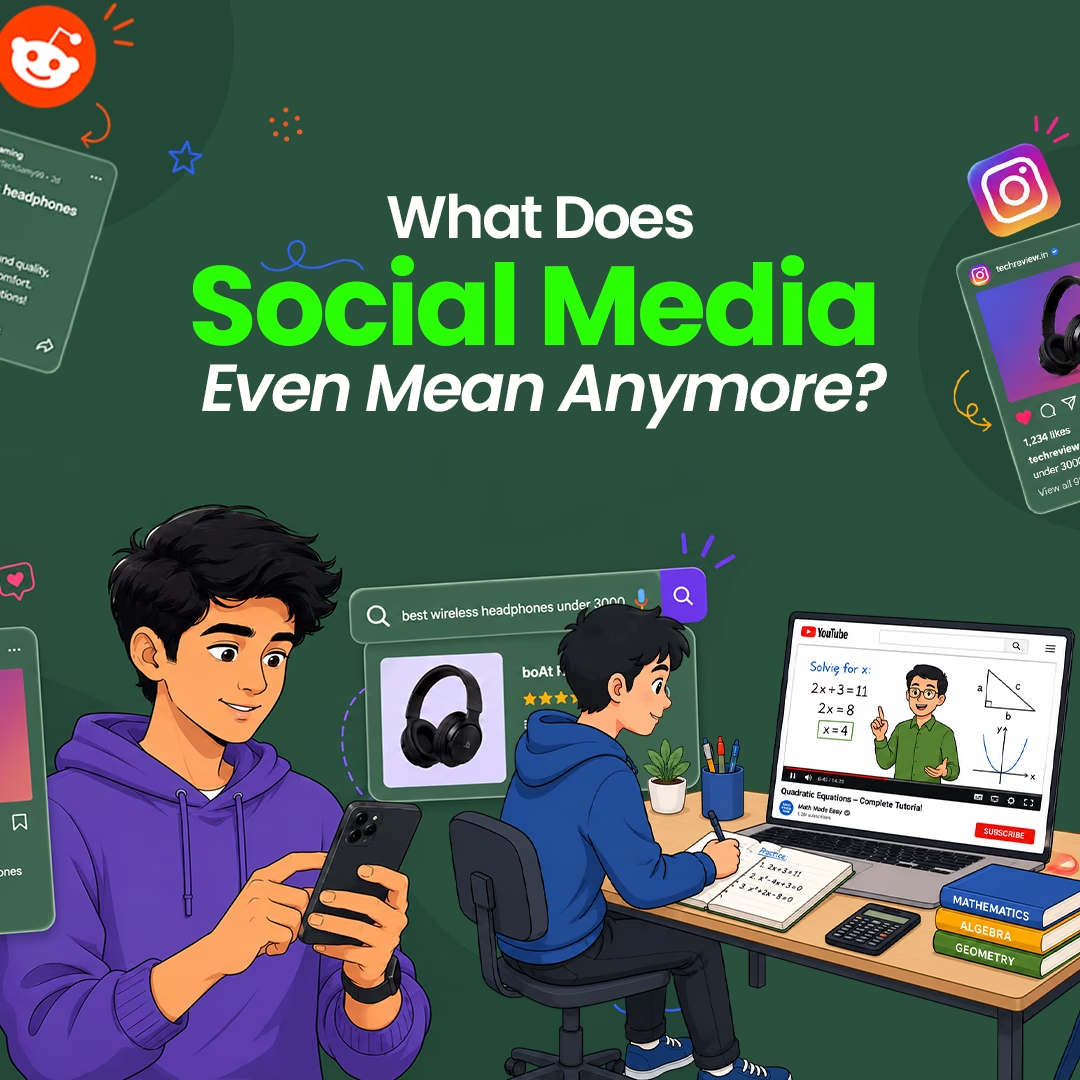
What Does Social Media Even Mean Anymore?
What Does Social Media Mean Anymore? | WeBeeSocial
It started with friends. Somewhere along the way, it became everything else.
Remember when social media was… well, social?
You logged in to check what your friends were doing, wished people on birthdays you would’ve otherwise forgotten, joined fan pages dedicated to your favourite cricketer, movie star or TV show, and uploaded vacation albums that your friends politely liked. Brands existed, but they weren’t the reason people opened Facebook. People were.
Fast forward to 2026, and social media looks nothing like it did twenty years ago.
Which raises an interesting question.
What does social media even mean anymore?
Because it certainly isn’t just “social.”
It All Started with Communities
Before followers became metrics and algorithms became conversations, social media was built around communities.
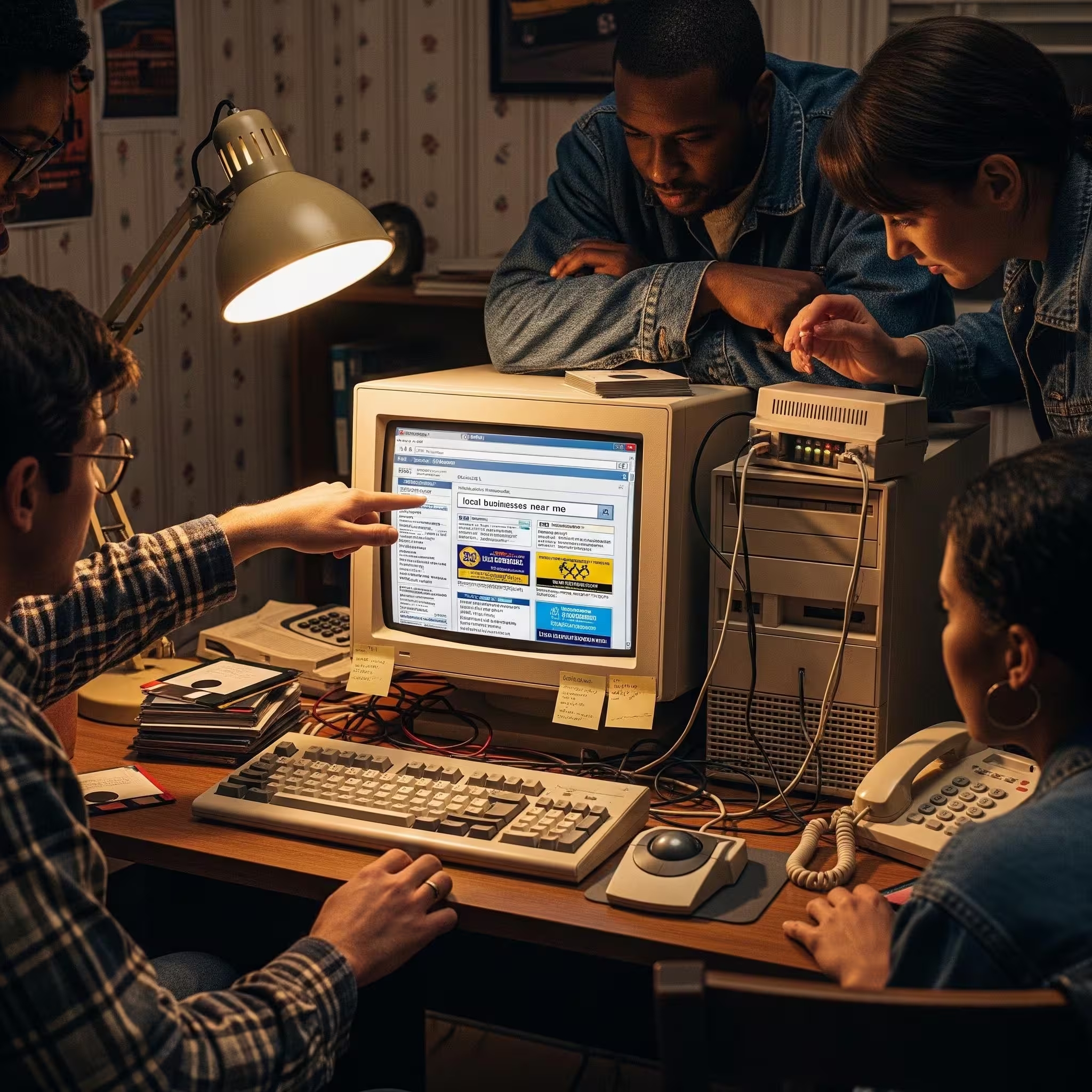
The early years were defined by Facebook fan pages, Orkut communities and online groups where people gathered because they genuinely shared an interest. Whether it was supporting the Indian cricket team, discussing Bollywood films or joining a college alumni group, social media felt personal. Brands slowly entered these spaces, encouraging users to “Like our page” because every new follower represented someone who had consciously chosen to stay connected.
Success wasn’t measured by impressions or engagement rates. It was measured by belonging. Building a community mattered far more than chasing virality.
Then Every Brand Became a Publisher
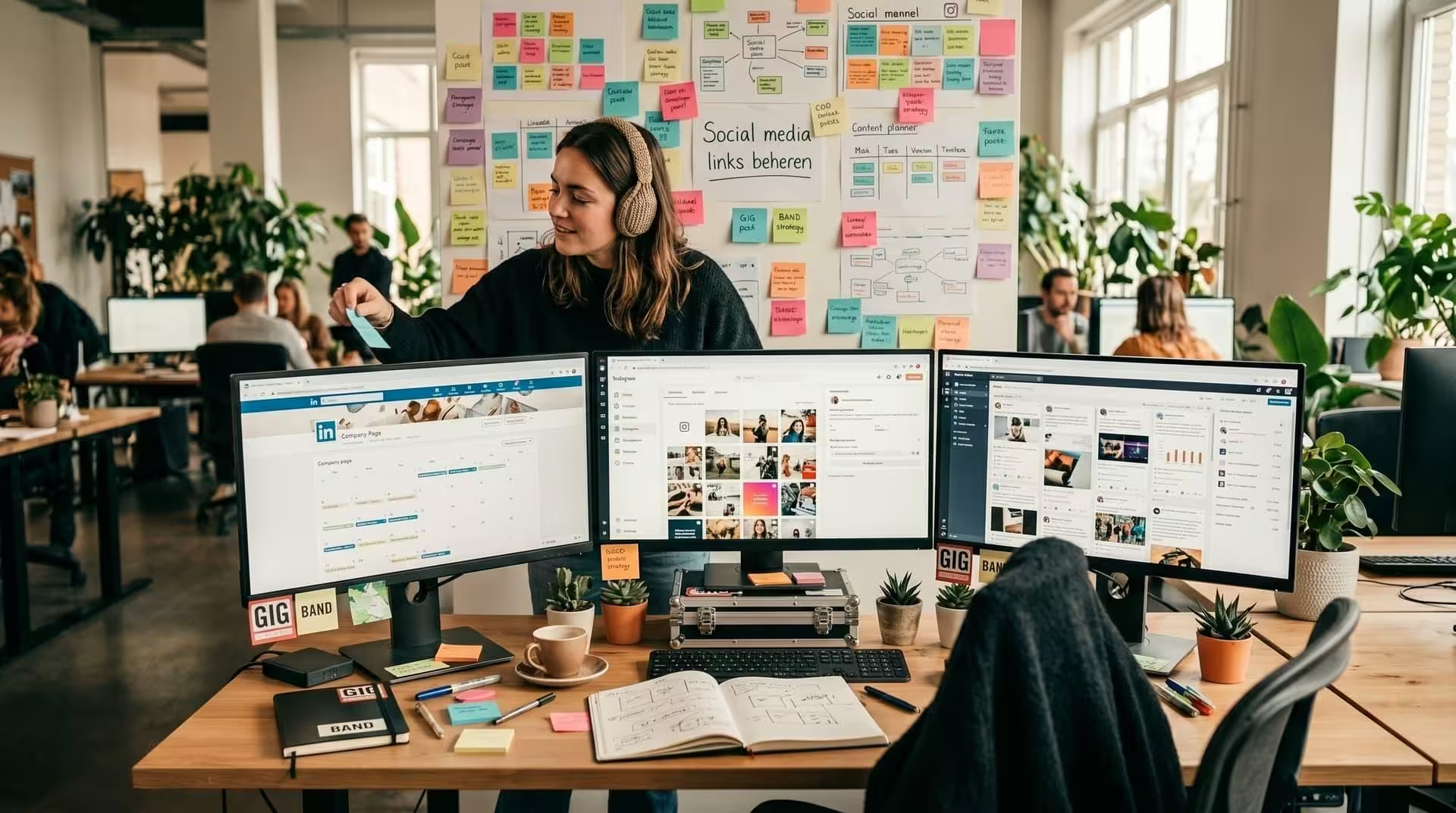
As smartphones became more common and social platforms matured, businesses realised they no longer needed traditional media to reach consumers. Every brand suddenly had its own publishing platform.
For a while, it worked.
Until everyone started doing exactly the same thing.
Timelines filled up with festival creatives, product launches, quote cards, company milestones and “Happy Monday” posts. It was the era when consistency mattered more than originality. If there was a holiday, there was creativity. If there was a product, there was a post.
Users weren’t opening Facebook or Instagram hoping to see another Independence Day greeting from a brand. They were there to be entertained, informed or inspired. Social media was becoming increasingly crowded, and simply showing up was no longer enough.
Video Didn’t Just Change Content. It Changed Competition.
The arrival of video fundamentally changed how brands competed online. Until then, businesses were largely trying to outdo other businesses with better creatives or cleverer copy. Video changed that equation overnight. Suddenly, a brand wasn’t just competing with its direct competitors—it was competing with comedians, football highlights, travel creators, podcasts, recipe videos and countless other pieces of entertainment for the same few seconds of attention.
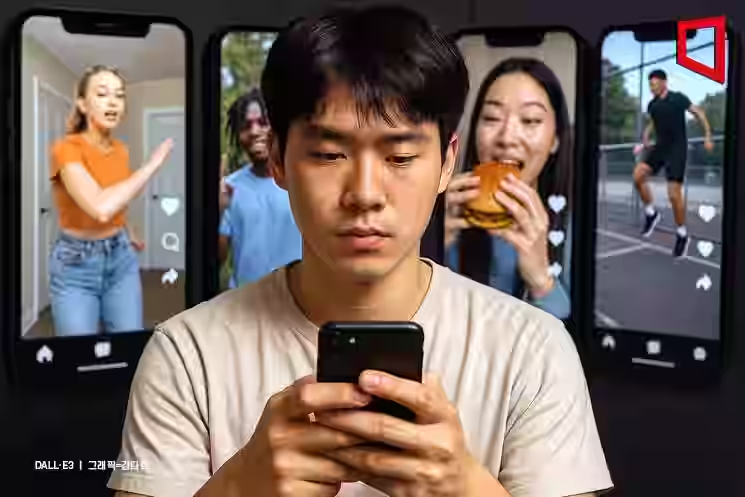
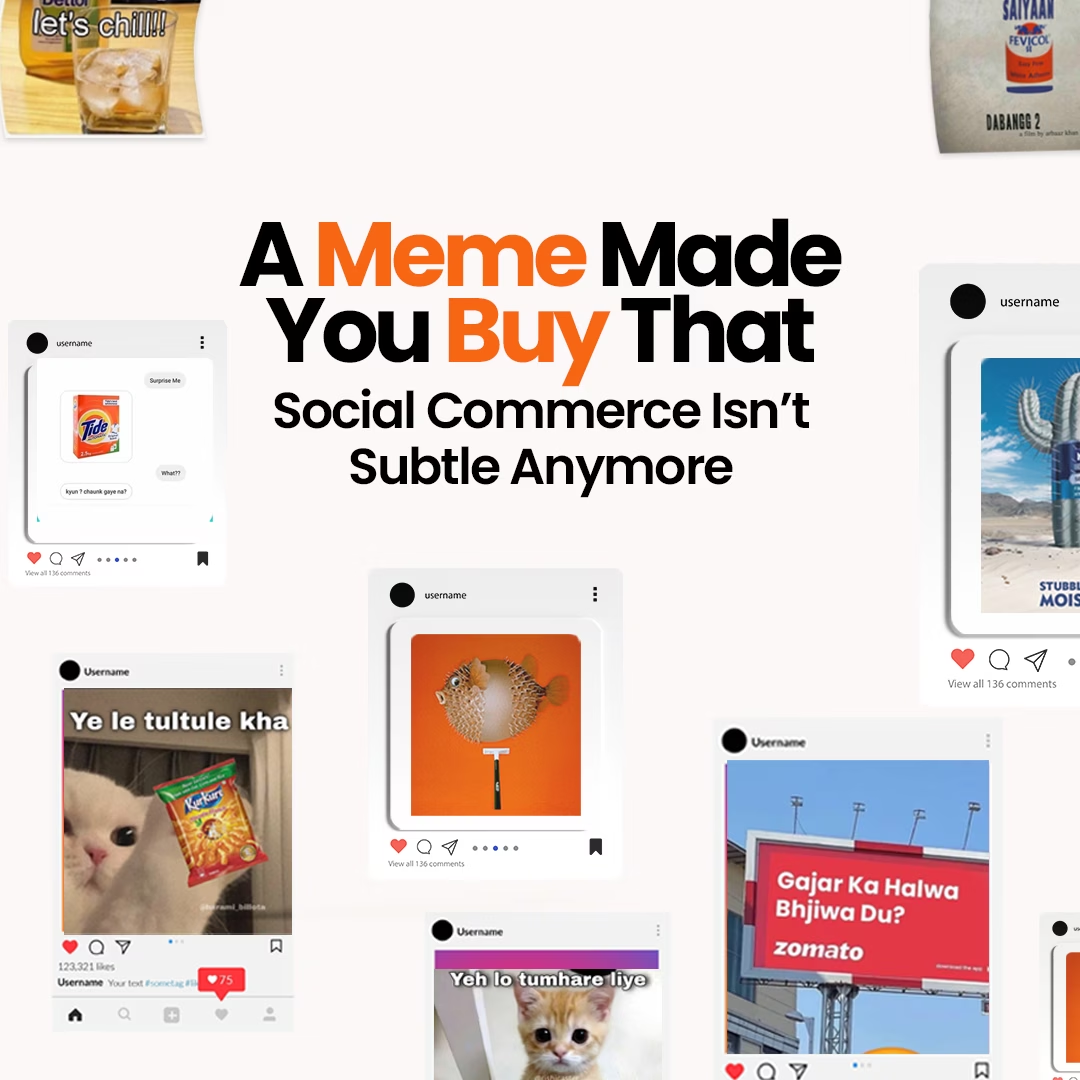
Indian brands adapted remarkably well. Zomato and Swiggy stopped sounding like companies and started sounding like people. Their witty, conversational posts became part of their identity rather than just promotional content. Meanwhile, Amul, long before “moment marketing” became a buzzword, continued proving that relevance could outperform expensive production. One topical creative could still dominate conversations because it understood culture better than algorithms.
The lesson was becoming clear: people didn’t want more content. They wanted content worth stopping for.
When Creators Became More Powerful Than Celebrities
The next shift wasn’t about technology. It was about trust.
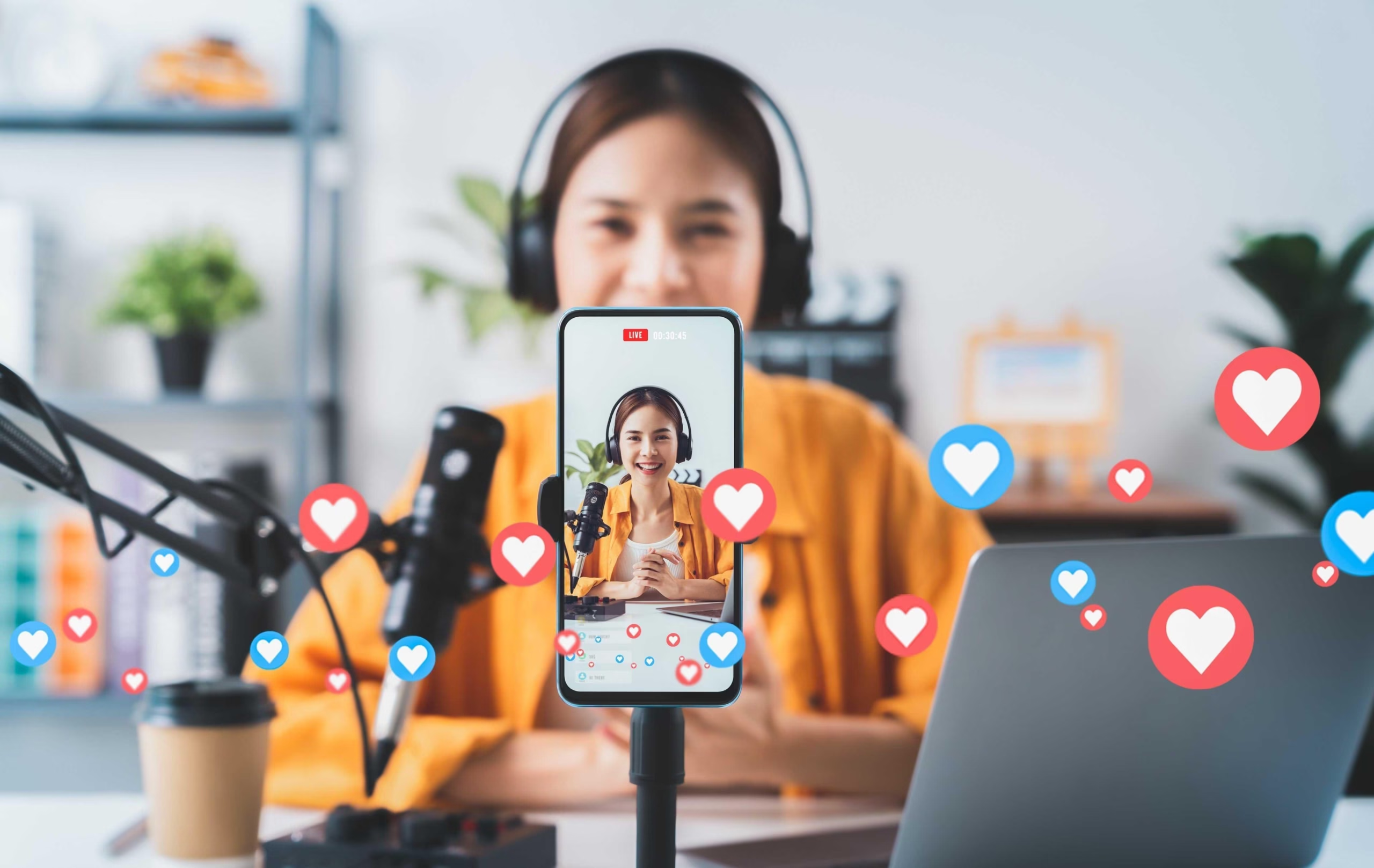
For decades, advertising relied on celebrities because they brought reach. Social media changed that by giving ordinary people the ability to build extraordinary communities. Creators weren’t just entertaining audiences anymore—they were influencing purchase decisions, shaping opinions and launching businesses of their own.
In India, creators across technology, beauty, fitness and finance built audiences that often felt more authentic than traditional celebrity endorsements. Brands responded by investing heavily in influencer marketing, recognising that people were increasingly discovering products through creators they followed every day.
But as influencer marketing matured, audiences became more aware of sponsored collaborations. Consumers started asking questions. Was this recommendation genuine, or was it simply another paid partnership?
The challenge wasn’t reached anymore.
It was credibility.
The Rise of UGC Isn’t About Content. It’s About Credibility.
It’s tempting to say that user-generated content has replaced influencer marketing, but that wouldn’t be entirely accurate. Influencers continue to play an important role in storytelling and discovery. What UGC solves is a different problem altogether.
Today’s consumers often want to see how a product performs in the hands of someone who looks like them. A parent reviewing a stroller after months of use. A college student sharing their experience with a laptop before exams. A runner documenting their first marathon in a new pair of shoes. These aren’t polished campaigns—they’re relatable experiences.
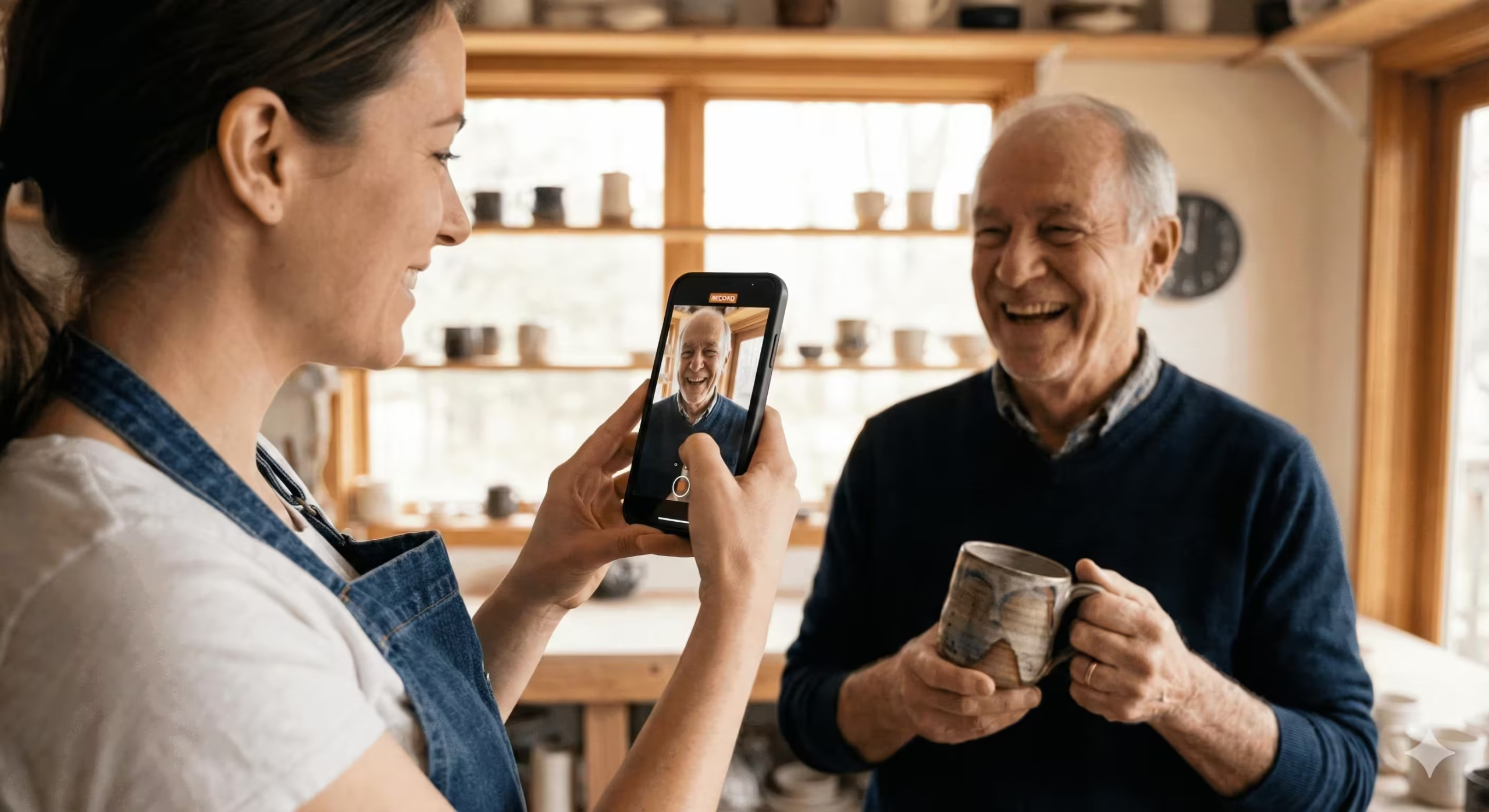
That’s why many brands are increasingly combining professional campaigns with authentic customer stories. UGC doesn’t always generate the biggest reach, but it frequently delivers something more valuable: confidence. It helps reduce the gap between marketing claims and real-life experiences.
In a digital world overflowing with polished content, relatability has quietly become one of the strongest forms of persuasion.
So… What Does Social Media Mean Today?
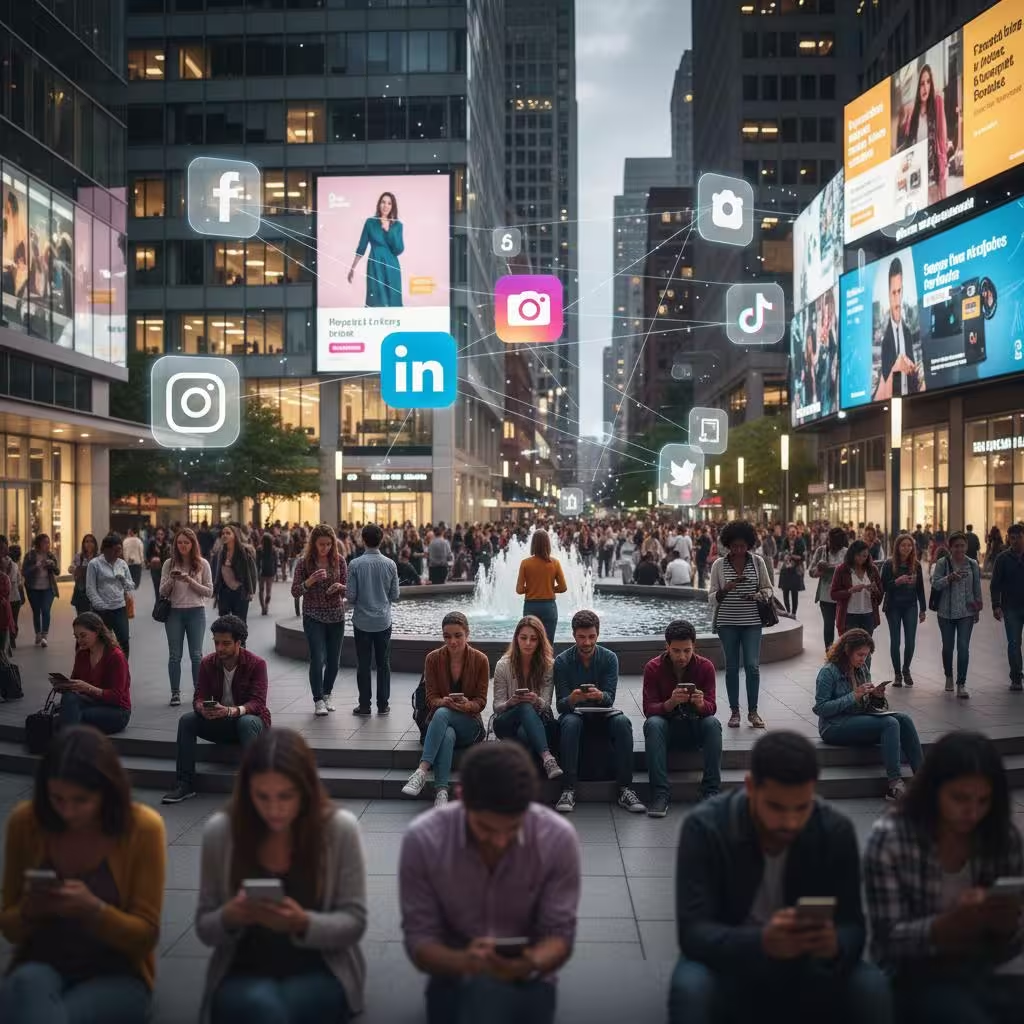
Today, social media is no longer just a place where people connect with friends.
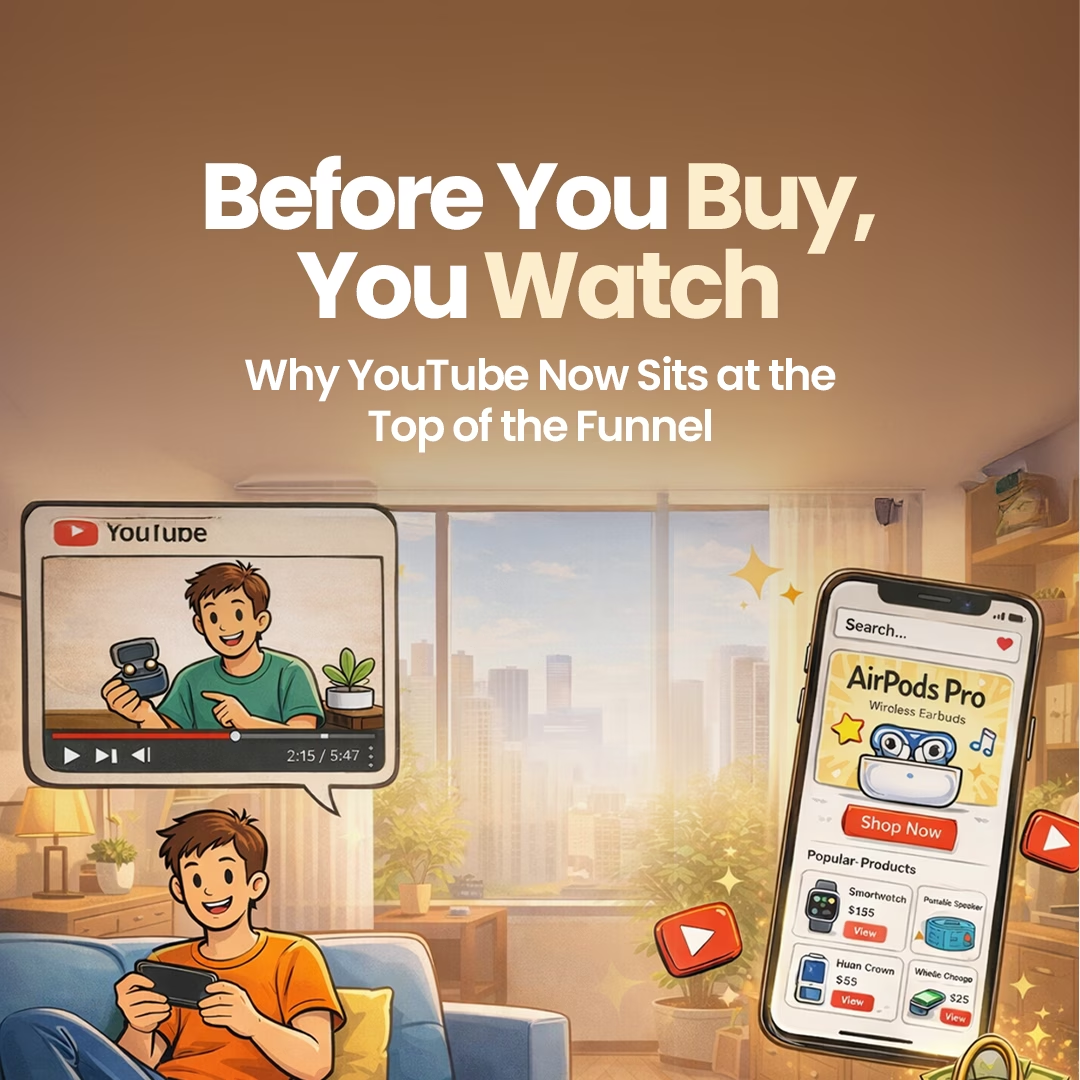
It’s where people verify information, compare products, read reviews, learn new skills, discover businesses, complain about poor experiences and celebrate great ones. It functions as a search engine, a customer service channel, an entertainment platform, a marketplace and, increasingly, a source of news.
That’s also what makes today’s social landscape so complex. Information travels faster than ever before, but so does misinformation. Opinions are shared instantly, but some are sponsored. Virality can create overnight success, but it can also amplify half-truths. Consumers know this, which is why they’re becoming more careful about who—and what—they believe.
Perhaps that’s the biggest transformation social media has undergone.
The currency isn’t followers.
It isn’t reached.
It isn’t a view.
It’s trust.
The Brands That Will Win Tomorrow
For businesses investing in social media marketing, content marketing and digital marketing in India, this evolution carries an important lesson. Algorithms will continue to change. New platforms will emerge. Content formats will evolve, just as they always have.
What won’t change is the importance of credibility.
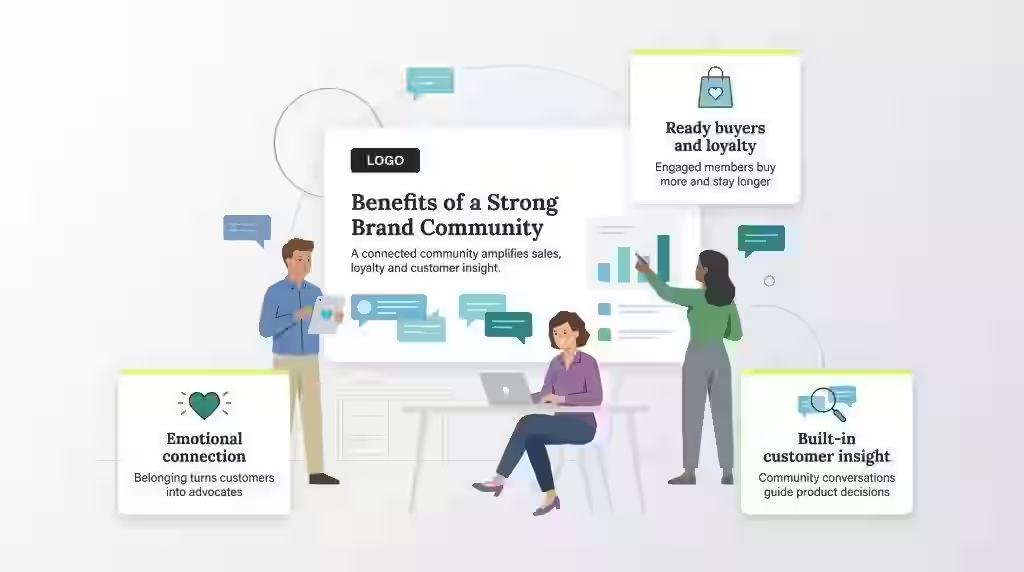
The brands that consistently earn attention aren’t necessarily the ones publishing the most content. They’re the ones creating content that people believe, share and recommend. They’re willing to educate instead of interrupt, listen instead of broadcast and build communities instead of chasing vanity metrics.
Maybe social media didn’t lose its meaning.
Maybe its meaning simply evolved.
We stopped logging in just to see what people were doing.
Today, we log in to decide what—and who—we should believe.
Social media will continue to evolve. So should the way brands show up on it. If you’re looking to build meaningful digital experiences, we’d love to have a conversation. Talk to us here.