Why Every Campaign Feels Personal Now (And It’s Not a Coincidence)
You scroll past an ad and pause. Not because it is loud. Not because it is clever. But because it feels timely. Relevant. Almost tailored to where you are at that moment.
This isn’t a coincidence. It’s how campaigns are being built today.
Hyper-Personalization in India Is No Longer Experimental
In India, hyper-personalization moved from “nice to have” to “expected” much faster than most markets. Platforms, payment systems, and content ecosystems evolved together.
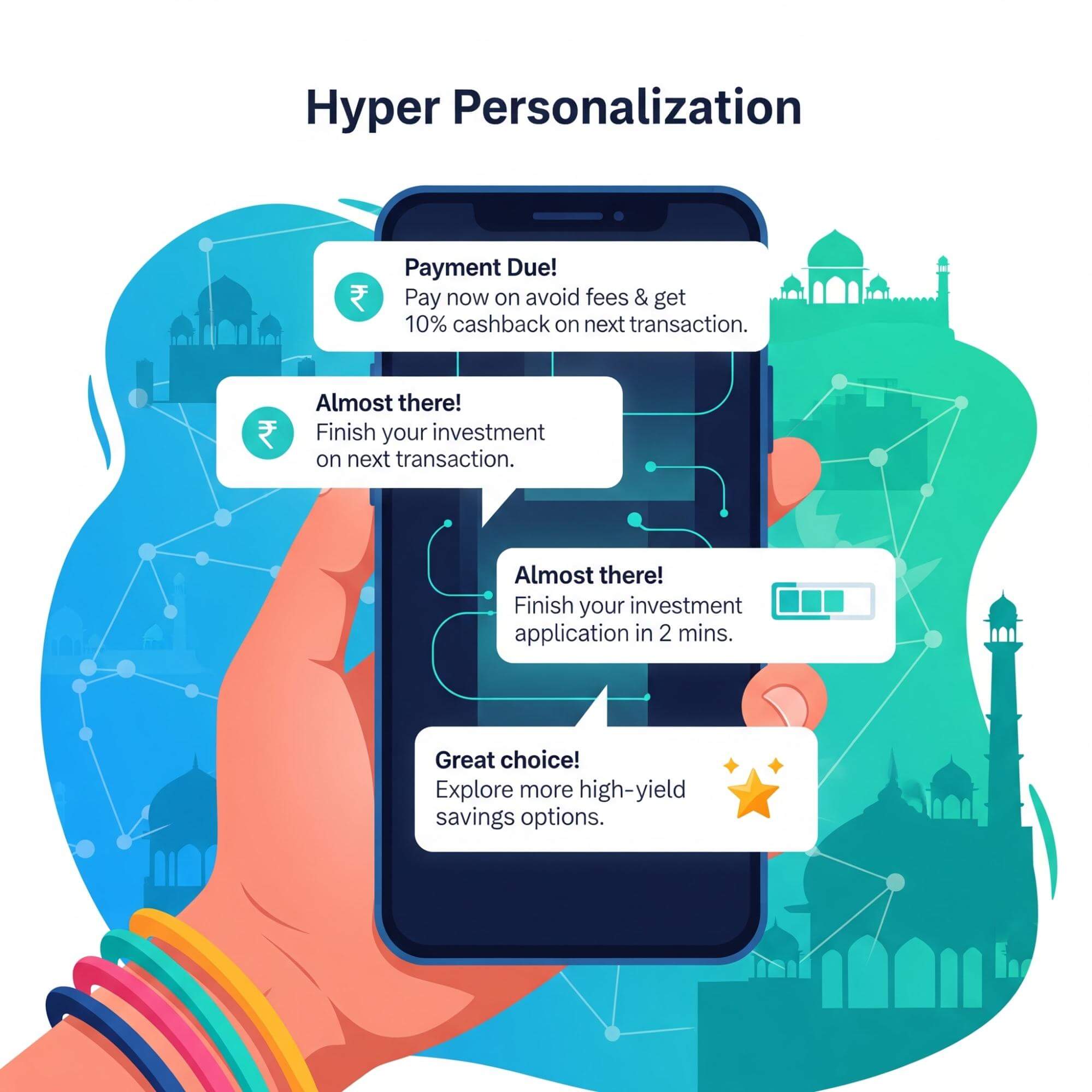
Take how major Indian fintech apps approach communication. Offers, reminders, and nudges are triggered not by demographics but by behaviour. Missed a payment window. Browsed but didn’t complete an action. Engaged with a specific feature twice in a week. Each signal triggers a different message.
The campaign logic is predictive, not reactive.
Real Campaign Patterns, Not Theory
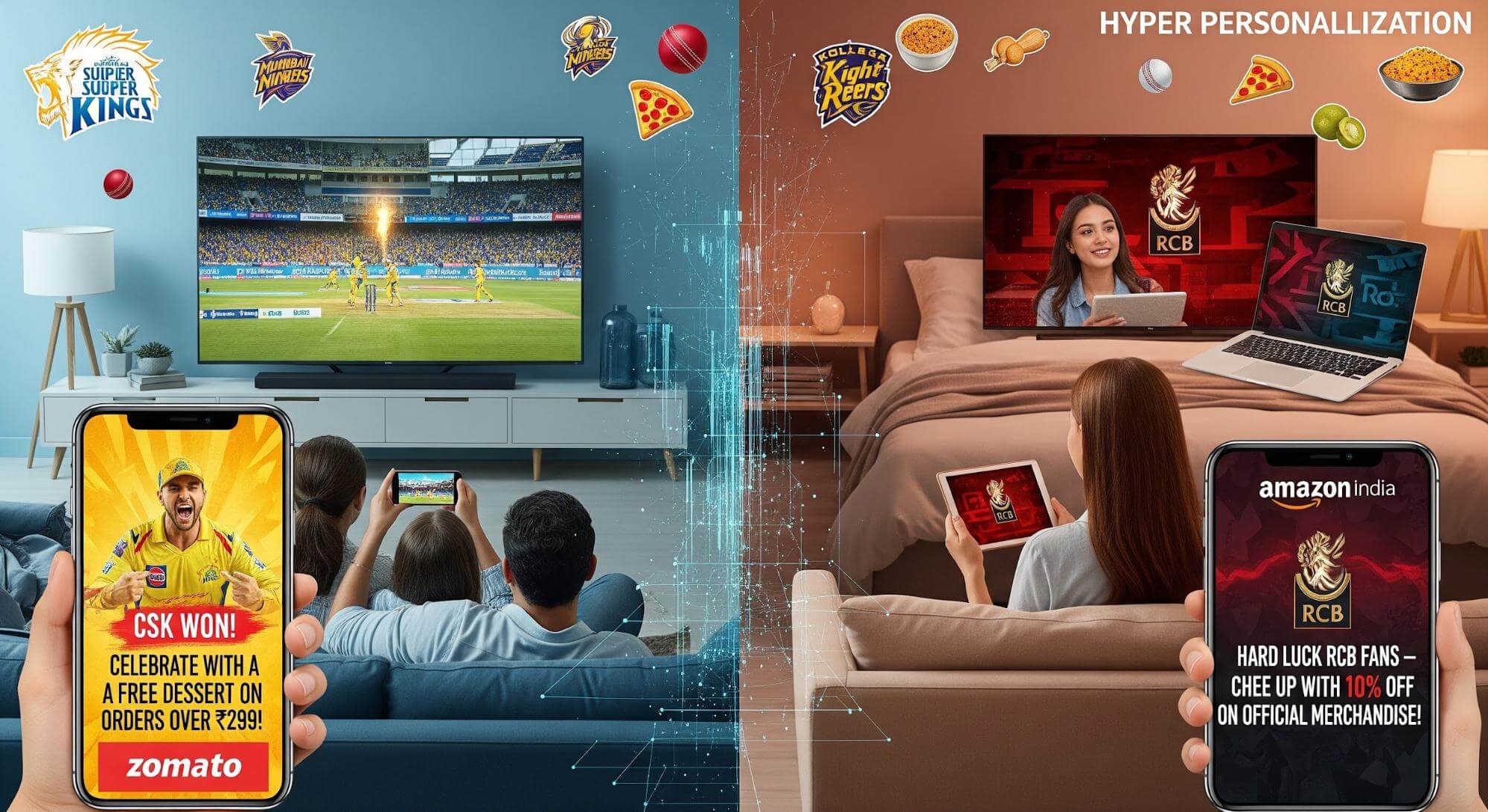
During IPL seasons, brands routinely personalise creatives based on team affinity, match outcomes, and even in-game moments. Food delivery apps adjust messaging depending on match schedules. E-commerce platforms push category specific offers tied to match momentum. The same campaign framework delivers hundreds of variations in real time.
This is hyper-personalization at scale, executed through signal-based planning.
Predictive AI Changed Campaign Planning
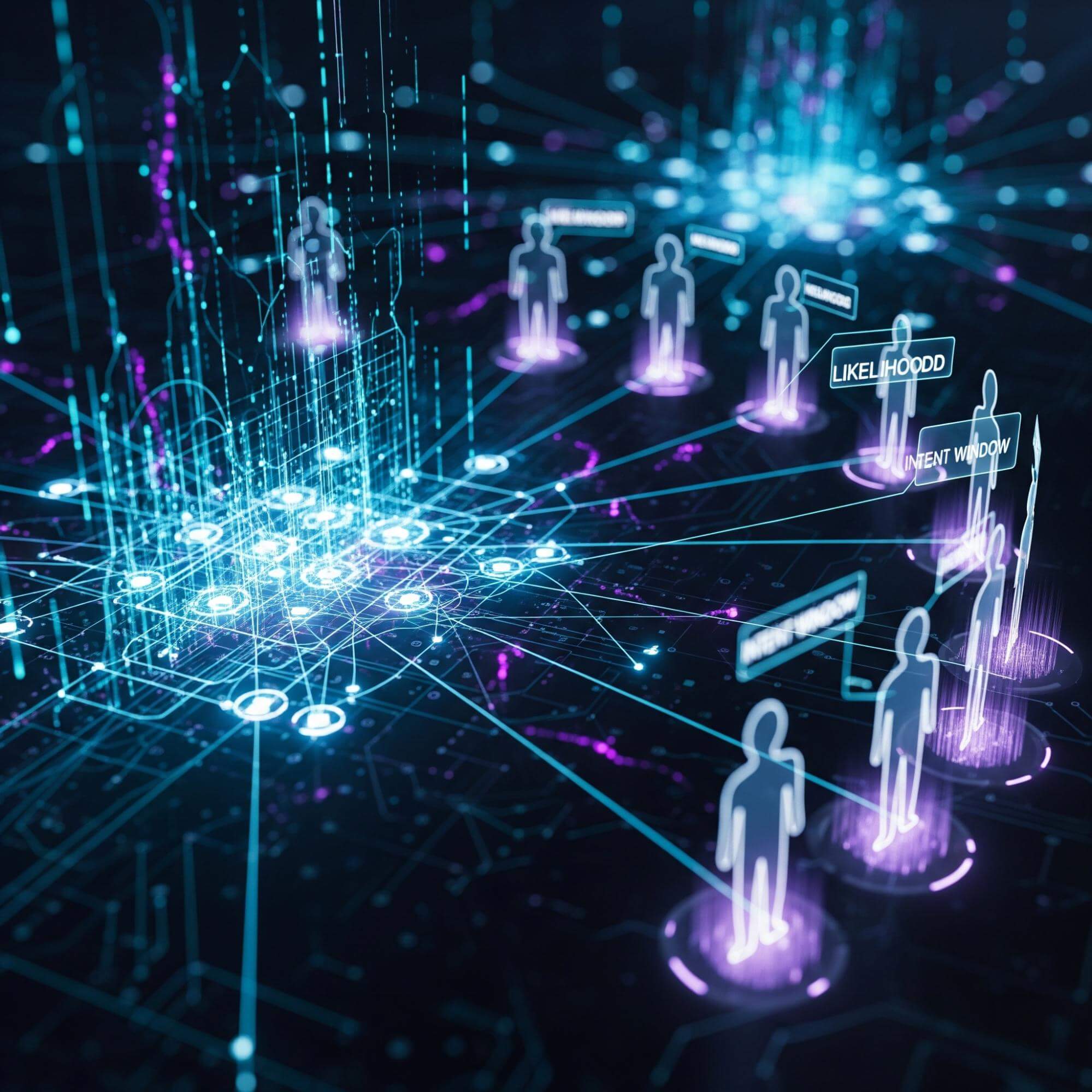
The reason this works is not creative volume. It is predictive modelling. Platforms analyse patterns like time of engagement, repeat behaviour, and content affinity to decide what message a user is most likely to respond to next.
This is why traditional segmentation feels outdated. Campaigns now optimise for likelihood, not labels.
For brands investing in SEO services in Delhi or performance campaigns nationally, this means content relevance must align with intent windows, not just keywords.
Why It Feels Natural, Not Creepy
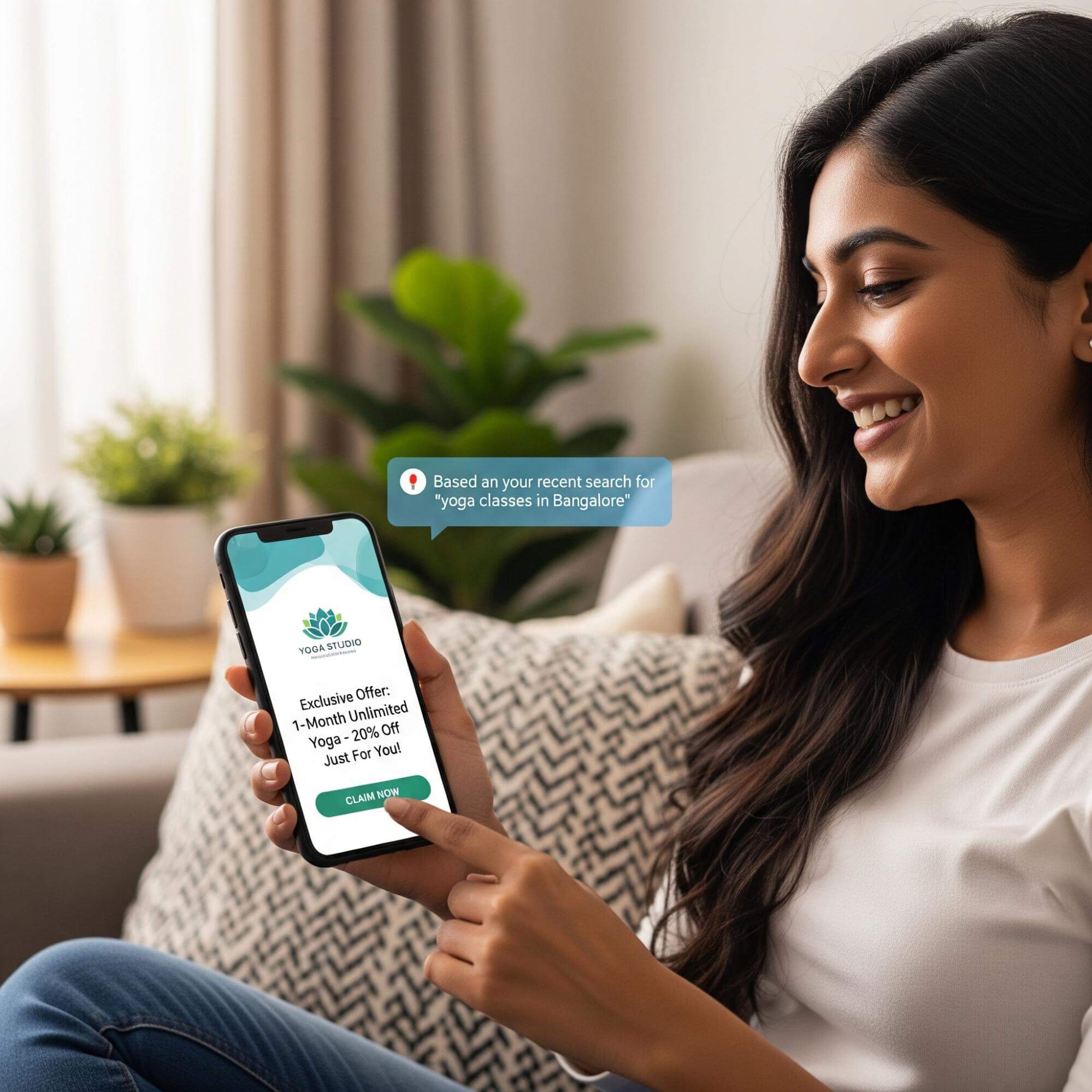
Indian users are highly tolerant of personalization as long as it feels useful. The moment it feels intrusive, trust drops.
Successful campaigns understand this balance. They do not explain personalization. They embed it. Offers arrive when the user expects them. Messaging matches context.
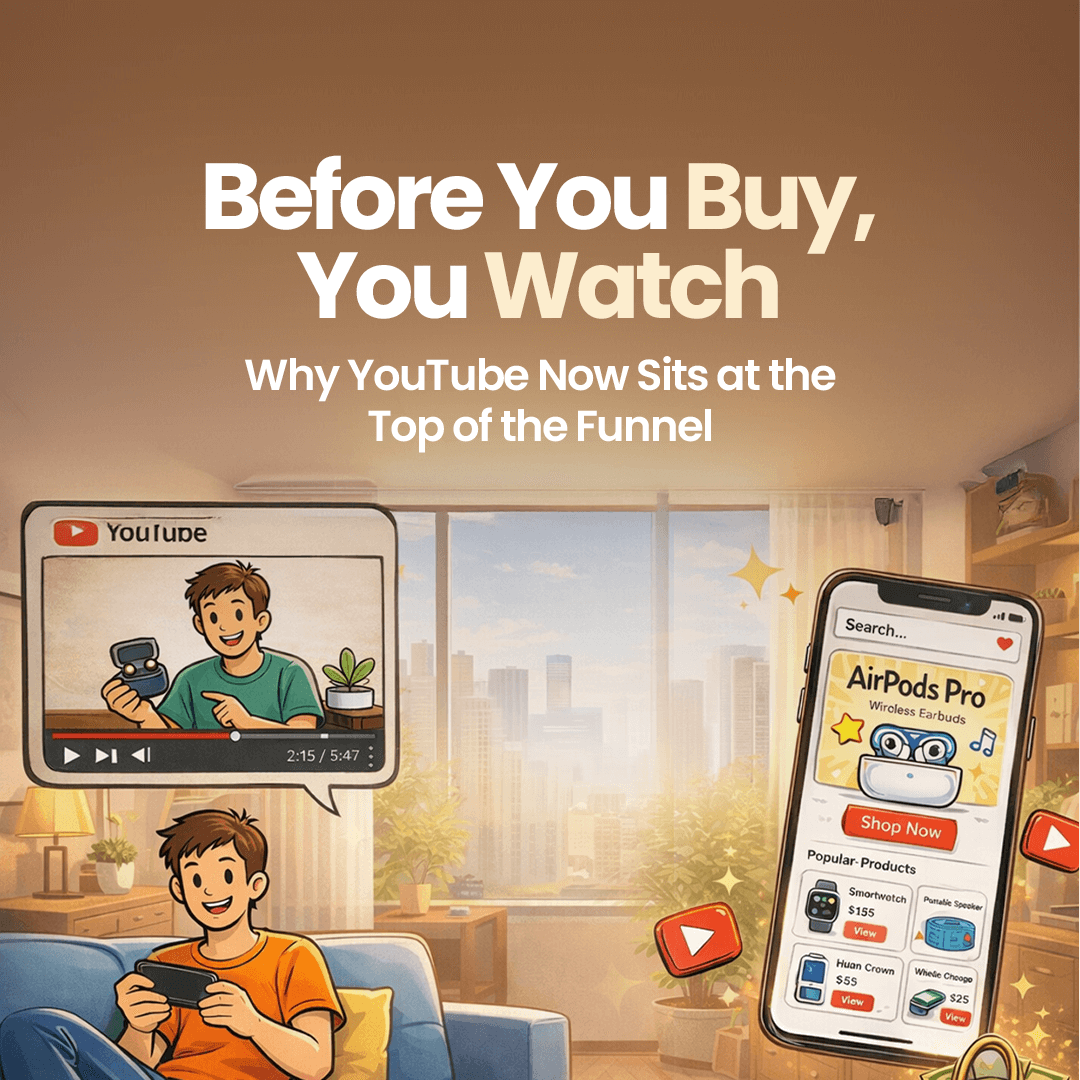
This is why video-first and creator-led platforms often outperform static formats — they build familiarity before persuasion.
The personalization works because it feels logical.
The Strategic Shift Brands Miss
Many brands adopt AI tools but keep static campaign structures. They personalise creatives while keeping rigid planning models. This creates inconsistency.
True hyper-personalization requires flexible creative systems, adaptable messaging, and real-time optimisation baked into the campaign from day one.
Where WeBeeSocial Fits In
At WeBeeSocial, personalization is treated as campaign infrastructure. We design content and media systems that respond to behaviour signals without losing narrative consistency.
As a digital marketing agency in India working with global and Toronto-based brands, our approach stays grounded in one principle. Campaigns should feel personal because they are contextually right, not because they try harder.